Living in Kobe
Joining a laboratory is also choosing a place to live. Kobe sits between Mt. Rokko and the sea, offering a rare combination of urban convenience, natural landscape, international heritage, and easy national and international access. This page is a short invitation to imagine your daily life here — alongside your research.
A city of light and water
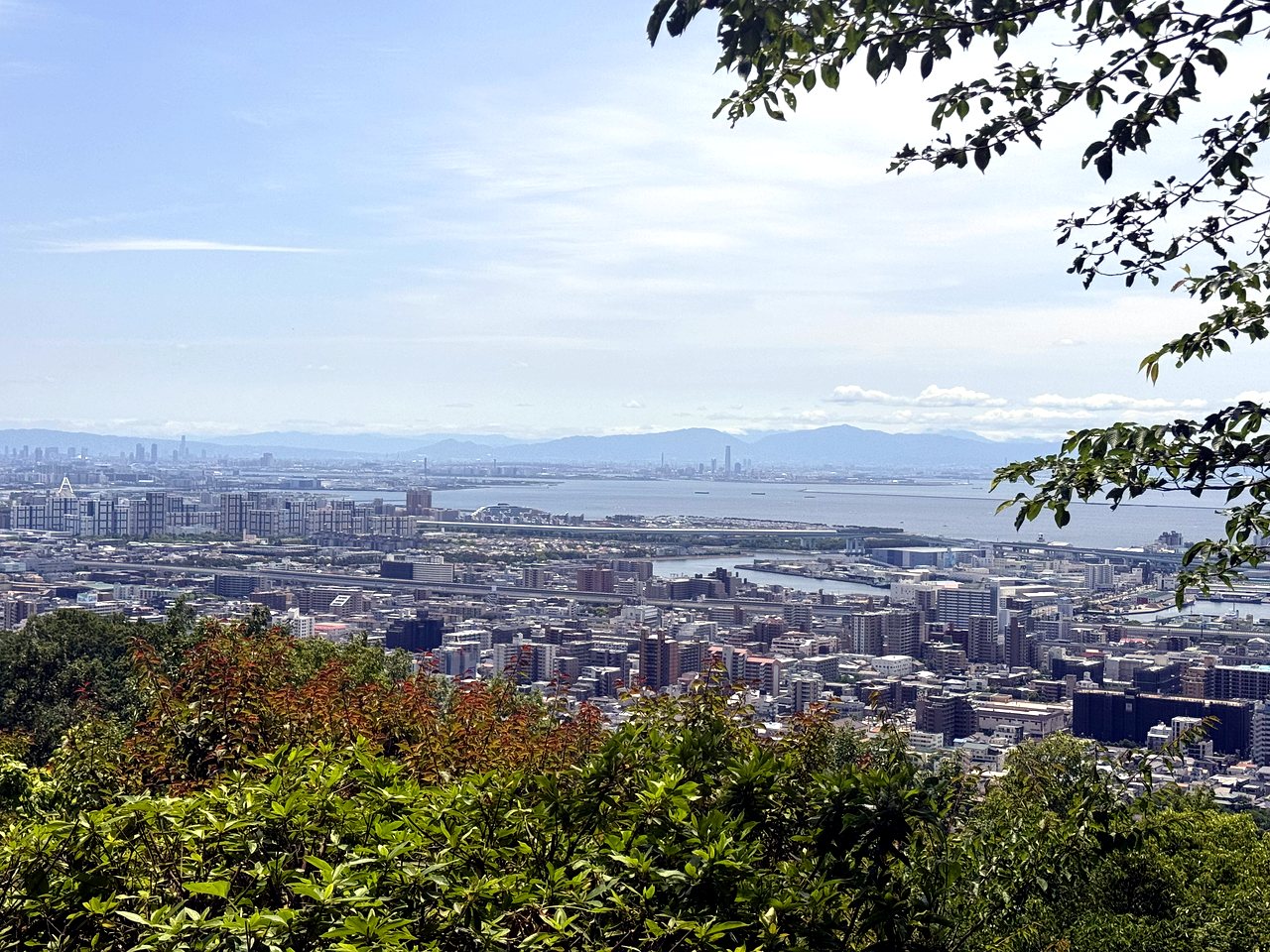
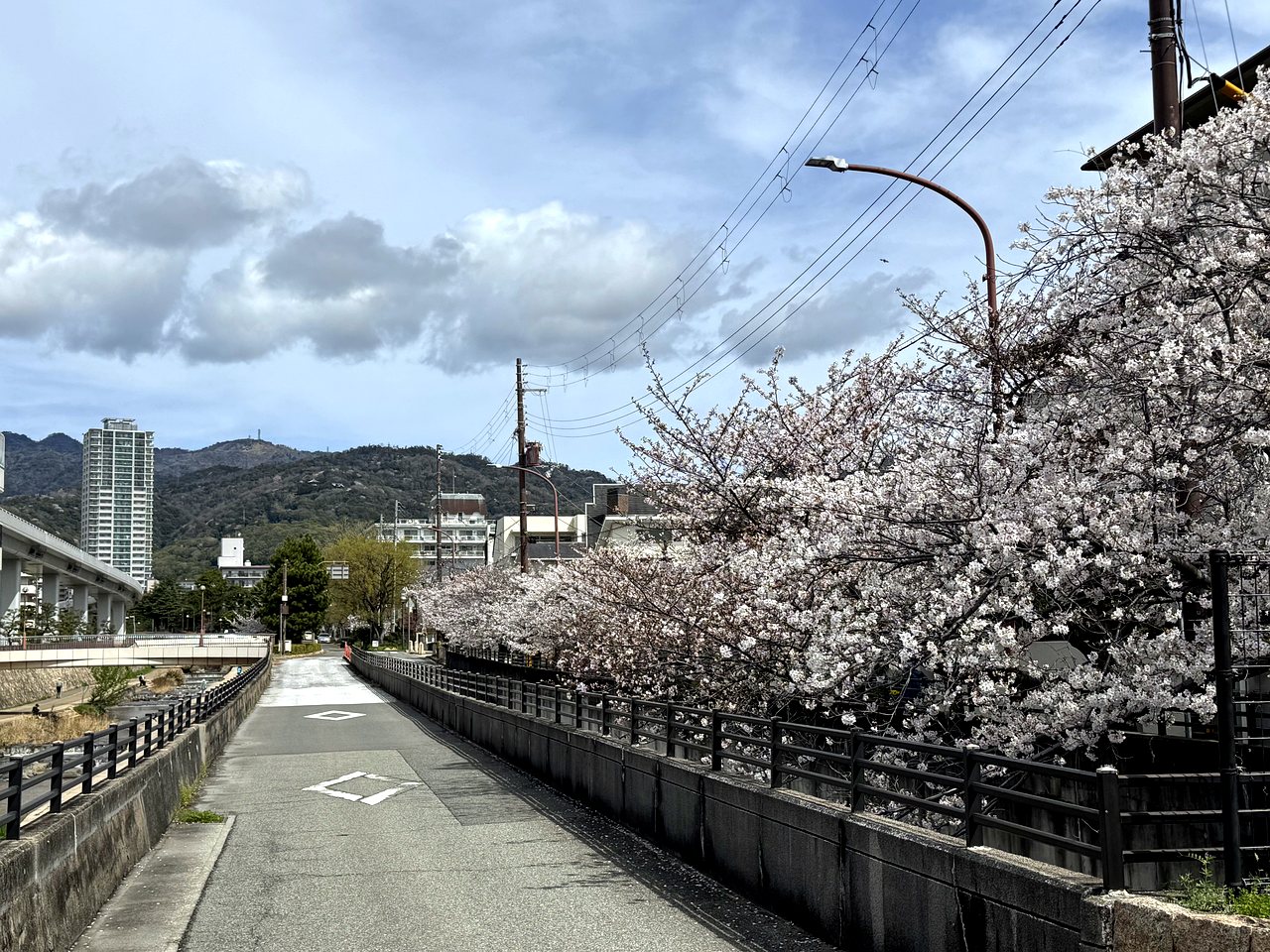
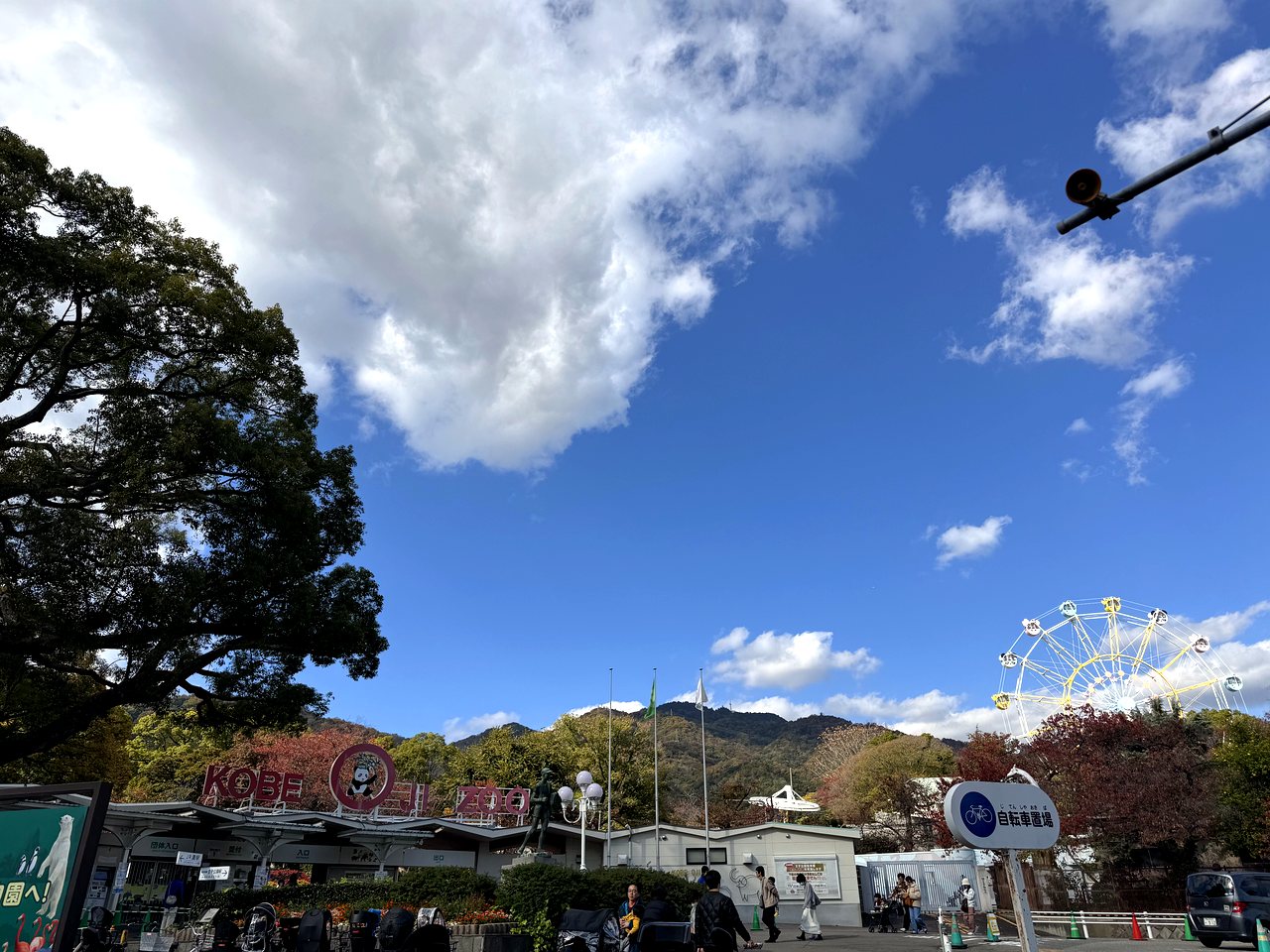
Kobe is known as a port city with a famed "ten-million-dollar night view" — the panorama of the city as seen from the Rokko mountain ridge that frames it from above. By day, the harbor, the cherry blossoms of spring, the plum trees of early spring, the foreign houses of the Kitano district, and the Western-style buildings of the old foreign settlement weave a slow rhythm of light through the seasons.
Easy national and international access
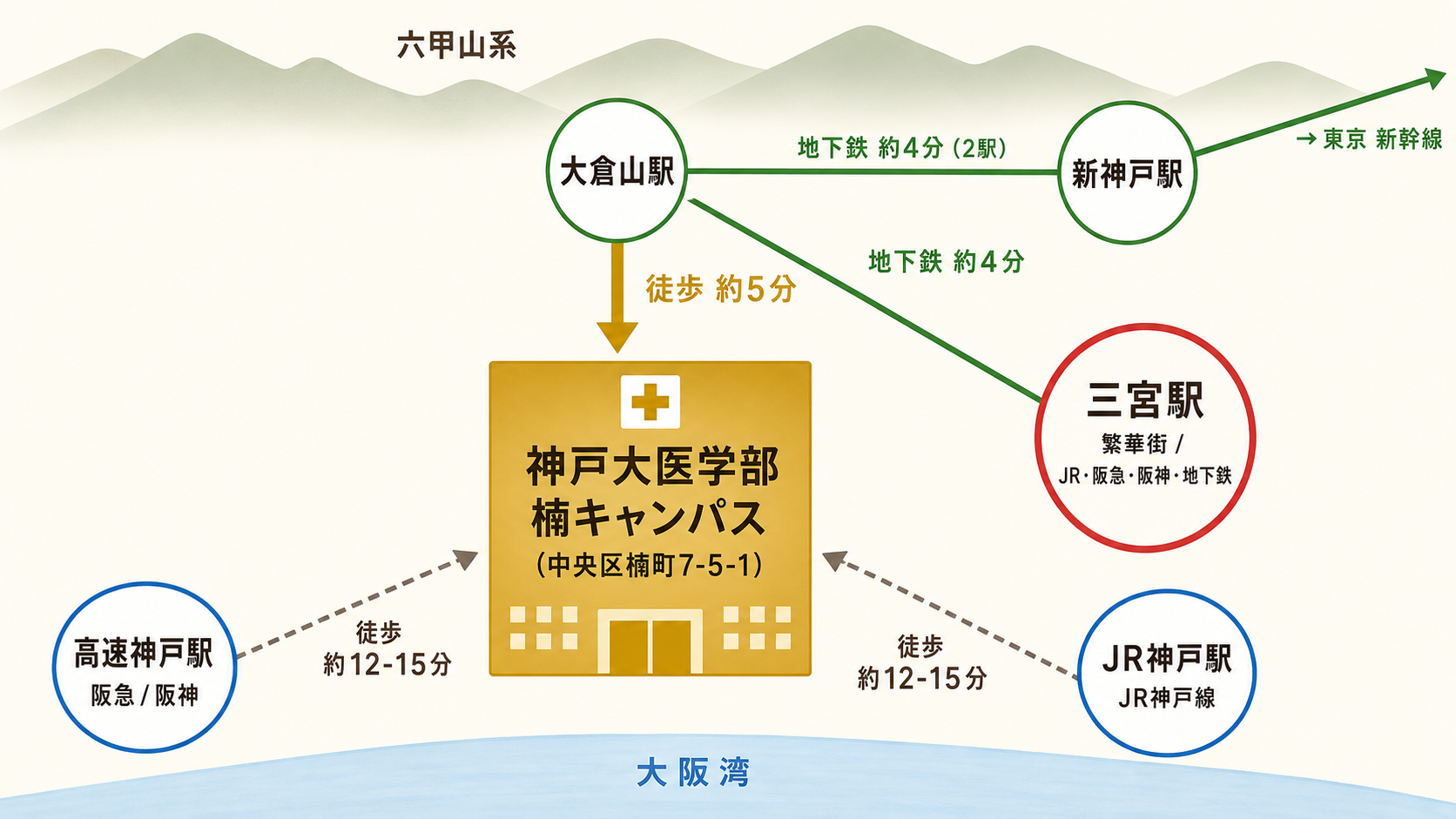
Kobe is one of the most-connected cities in western Japan. The university's main medical campus (Kusunoki, where our laboratory is located) is reachable on foot or by a short subway ride from Shin-Kobe Station (Shinkansen) and from Sannomiya — the central terminal of JR, Hankyu, Hanshin, the Port Liner, and the city subway. Daily life and travel are both easy from here.
Shin-Kobe Station
Direct trains to Tokyo (~2h 50m), Hiroshima (~1h 10m), and Hakata. About 10 minutes from the medical campus by subway (one ride) or taxi.
Kobe & Kansai Airports
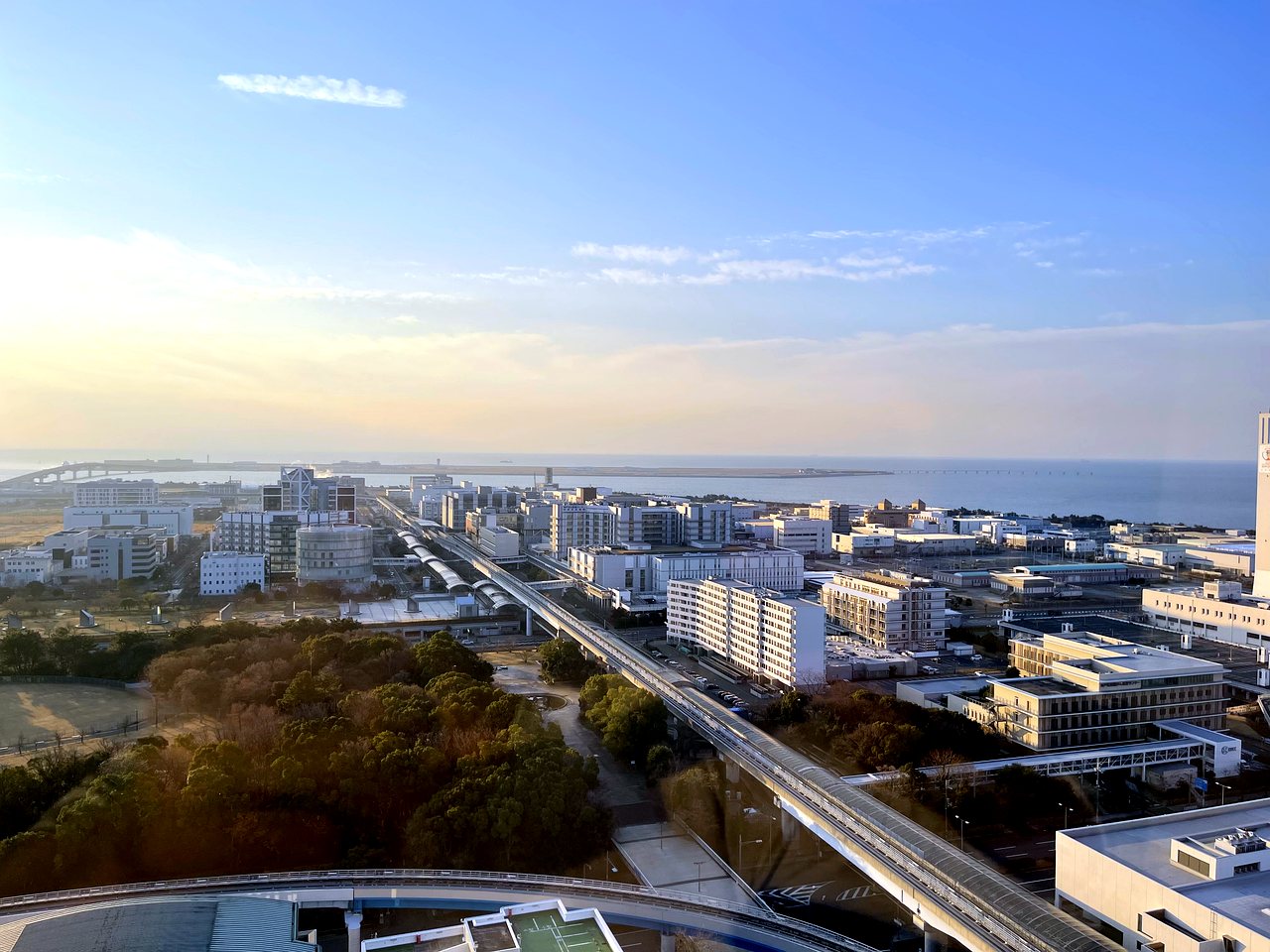
Kobe Airport (UKB, mainly domestic) is ~18 minutes by Port Liner from Sannomiya. Kansai International Airport (KIX, international) is reachable by limousine bus in about an hour.
Sannomiya hub
JR, Hankyu, Hanshin, subway, Port Liner — five rail systems converge. Osaka in about 20 minutes, Kyoto in under an hour.
A short walk from work to home
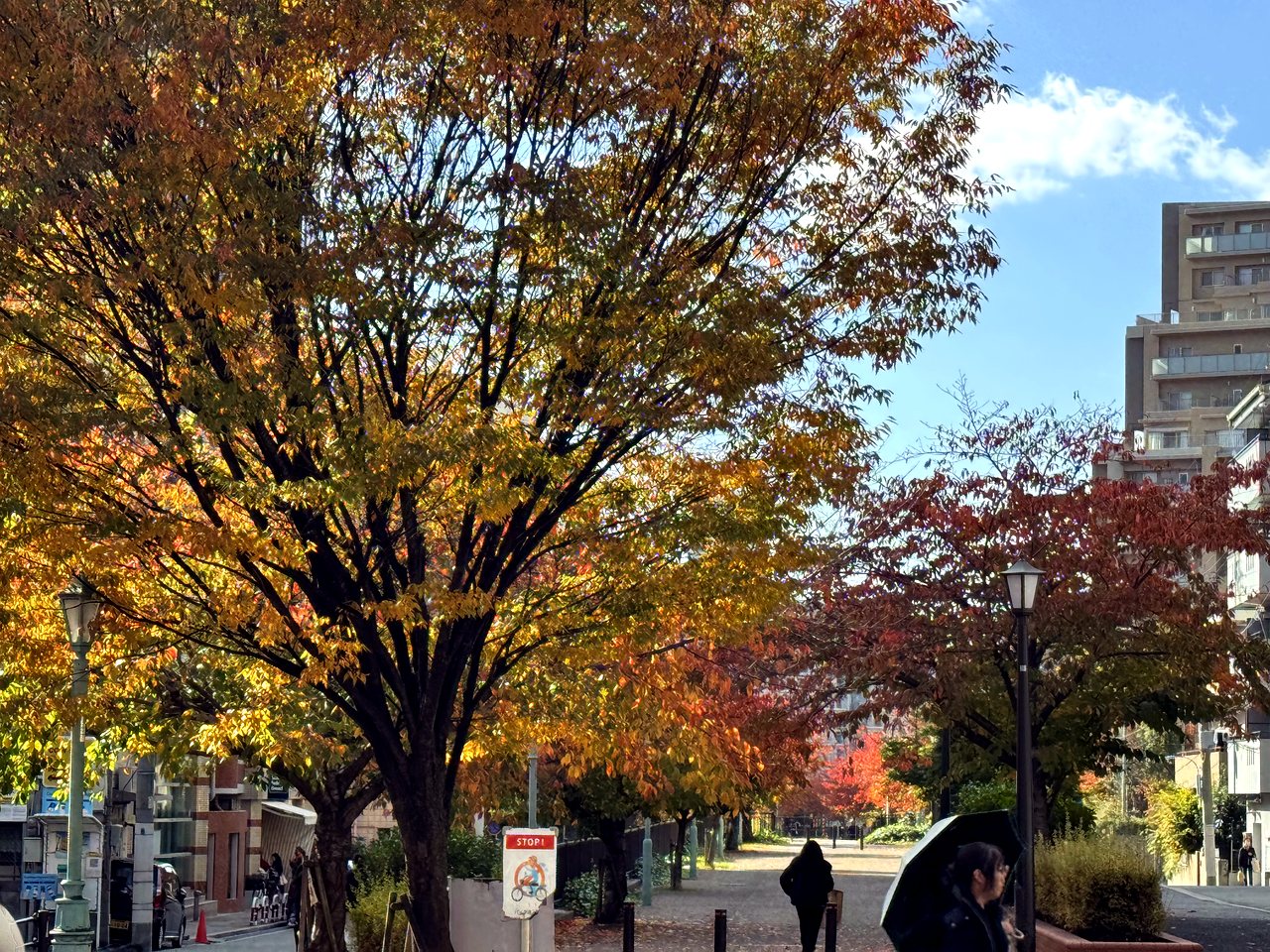
The medical campus is built into the lower slopes of the Rokko mountains. It is surrounded by quiet residential neighborhoods within a short walk or one subway stop, combining a calm atmosphere with quick access to Sannomiya's restaurants, cafés, and bookstores. Walking through a treelined slope at the end of a long day is one of the small pleasures of working here.
Everyday joys
Mt. Rokko & Mt. Maya
A hike from the city to the ridge in under an hour. The Maya Kikuseidai overlook gives one of Japan's three great night views — a casual destination on a Friday evening.
Bakeries, cafés, and Kobe beef
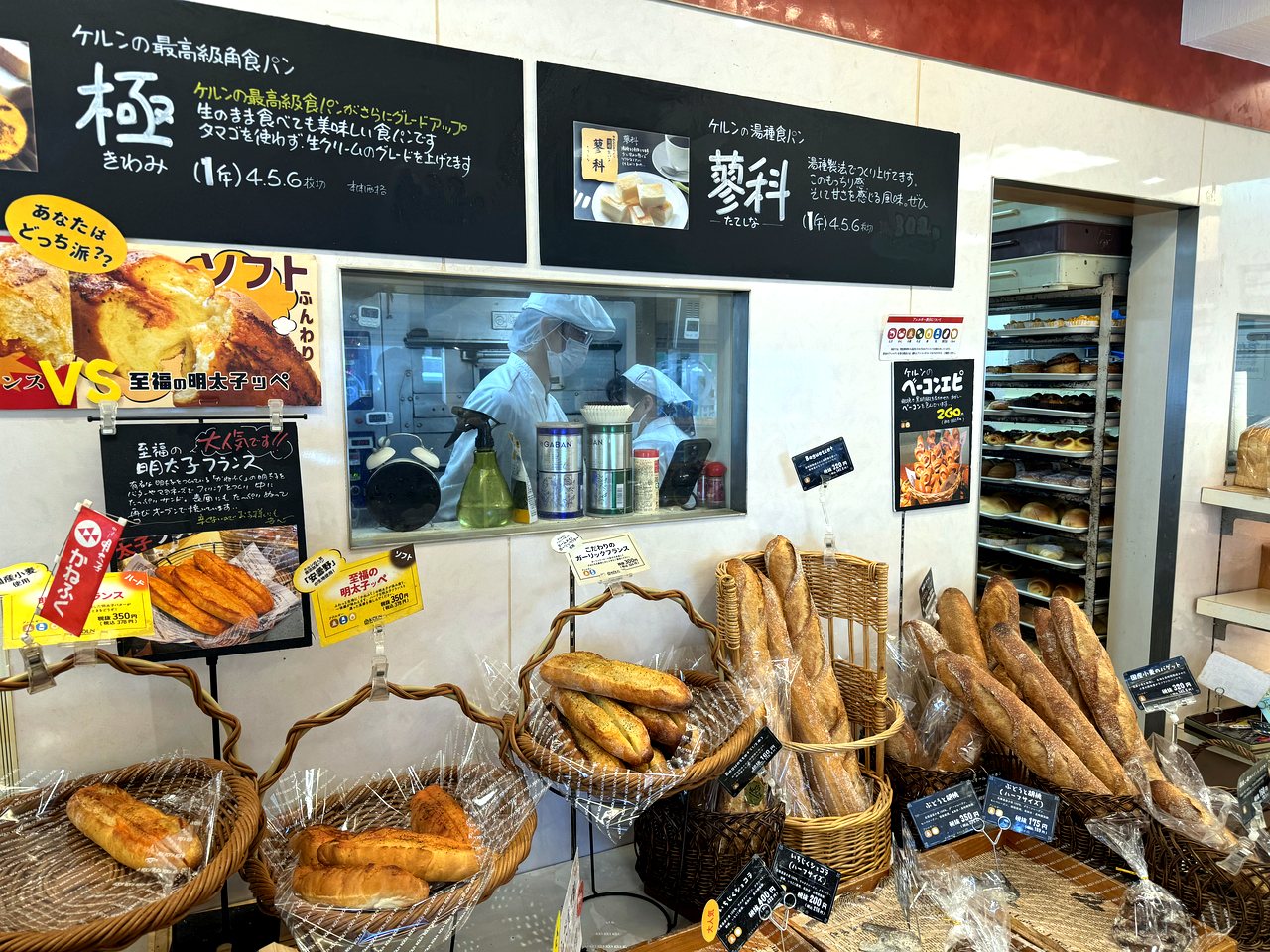
Kobe has long been one of Japan's strongest bakery and pastry cultures, alongside its famous beef and the lively food streets of Nankinmachi and Motomachi.
An international port from the 19th century
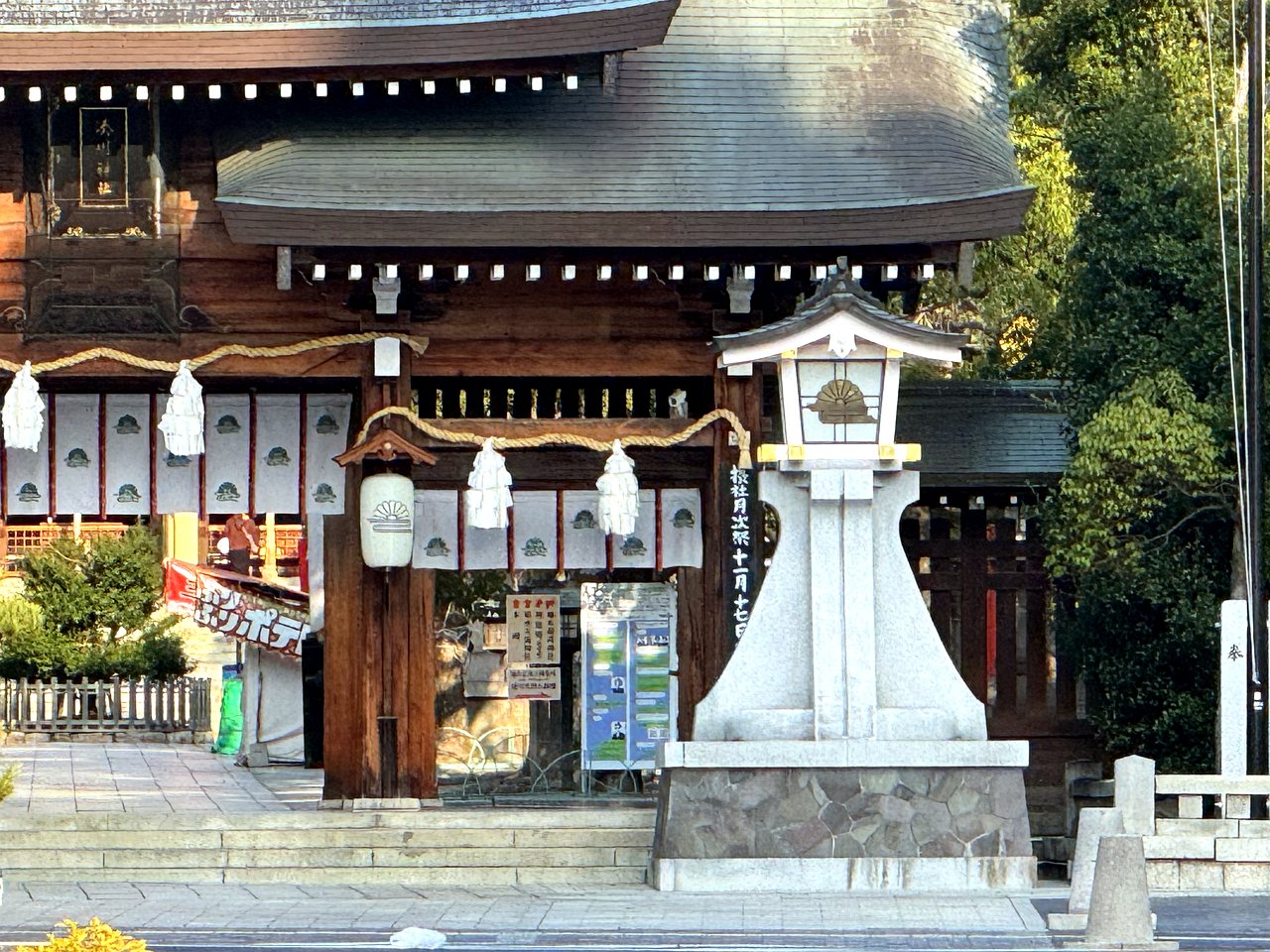
The Kitano district preserves former foreign residences; the Old Foreign Settlement preserves Meiji-era Western architecture. The city remembers — and welcomes — international visitors.
A research-friendly atmosphere
Kobe University, Kobe University Hospital, neighboring research institutes, and active local seminars make for an unusually dense academic community in a manageable city size.
Why we live here, why we work here
This city has known both prosperity and grief — it has rebuilt itself after the 1995 Great Hanshin–Awaji Earthquake — and that history is one of the reasons our laboratory takes its mission in trauma research seriously. We hope that, alongside the scientific opportunities of joining our group, the city itself will be part of what makes the work meaningful for you.
For more on joining the lab, see Positions or get in touch via Contact.