CMX Short-term Dispatch/Invitation Program for International Collaborative Research in FY 2024
Junko Inoue, Div. of IVR, Department of Radiology Diagnosis
In June 2024, I visited the University of Zurich in Switzerland with support from the International Joint Research Short-Term Dispatch and Invitation Program.
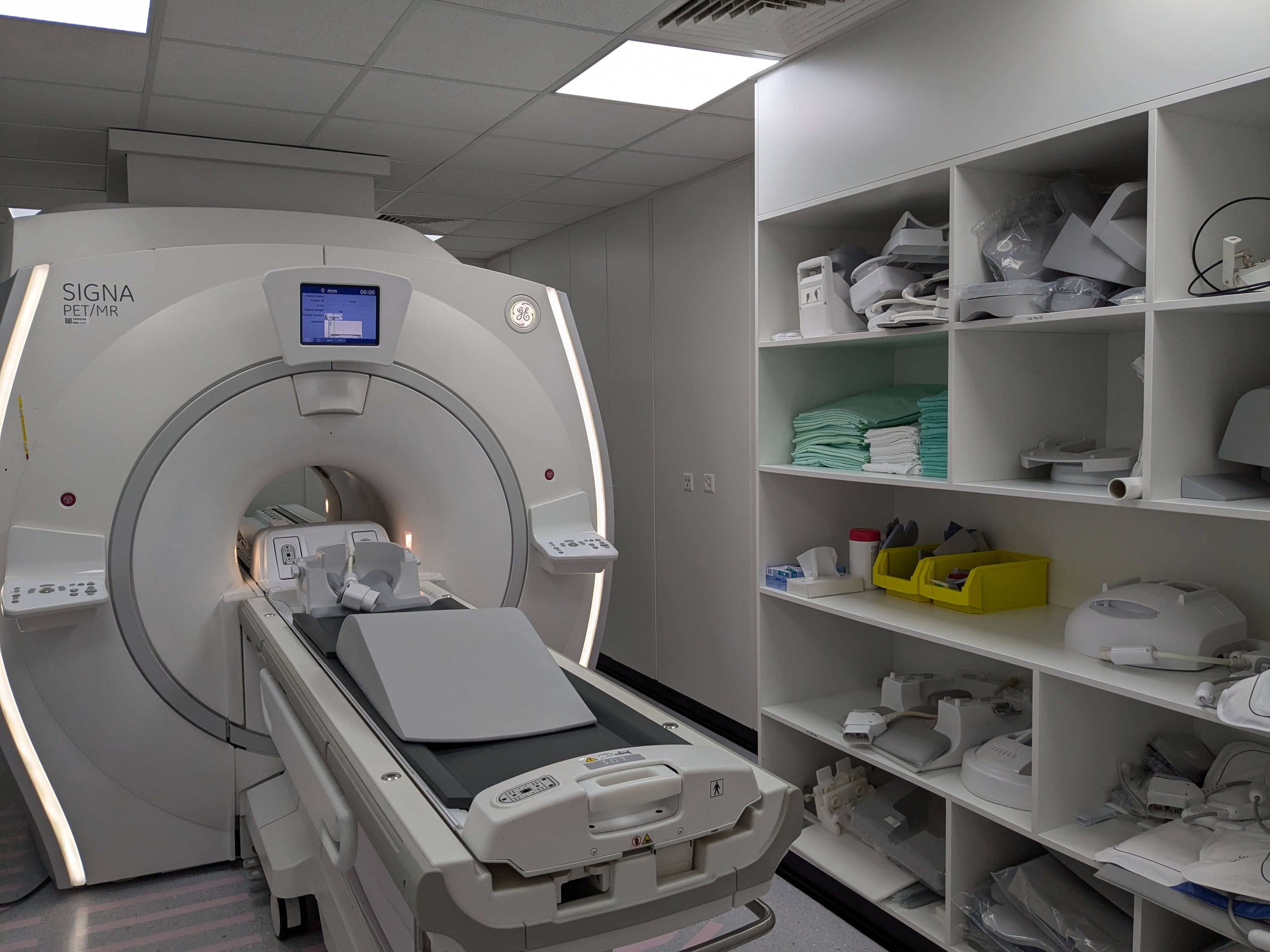
I specialize in nuclear medicine, a field of diagnostic imaging, and my research focuses particularly on images acquired using PET/MR, an advanced hybrid imaging technology.
The University of Zurich was the first institution in the world to introduce a PET/MR system in 2011, making it an ideal partner for collaborative research with Kobe University, which also has the same system.
The purpose of this visit was to assess the feasibility of future joint research by reviewing the facilities and research frameworks at both institutions.
I found that the PET/MR system at the University of Zurich is a more recent version, which highlighted the need for an update at our own institution. I also learned that Switzerland has very strict data protection regulations, presenting significant challenges for data sharing. Identifying these issues was highly valuable, and engaging in open discussions with local researchers further strengthened my motivation for international collaboration.
As a result, I was able to undertake a short-term research stay at the University of Zurich in March 2025, during which I engaged in multiple collaborative studies. I am deeply grateful for the support that made this important step possible.

Toru Takumi, Div. of Physiology
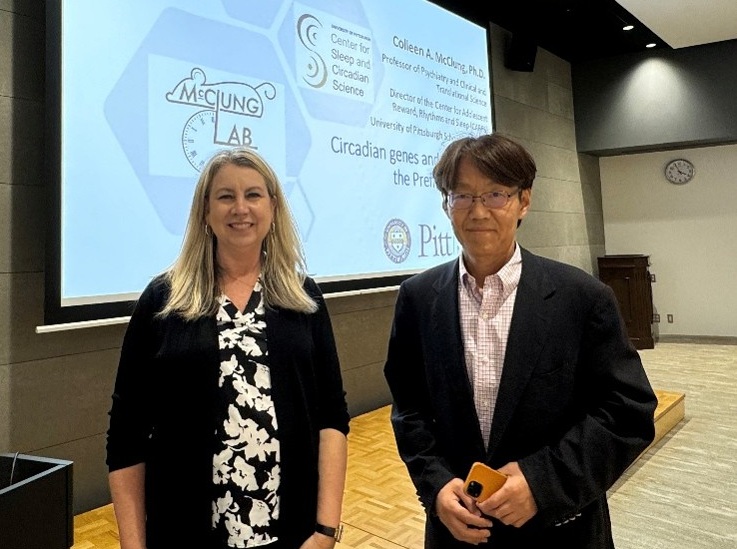
As part of the International Collaborative Research Short-Term Invitation Program of the Center for Medical Transformation, Professor Colleen A. McClung from the University of Pittsburgh School of Medicine was invited to visit Kobe from November 7 to 14, 2024.
Professor McClung is an internationally renowned expert in the field of psychiatry and chronobiology, highly recognized for her pioneering research on the relationship between circadian rhythms and psychiatric disorders.
During her stay, Professor McClung visited multiple laboratories, including physiology, psychiatry, pharmacology, and neurodevelopment and regeneration, where she engaged in active academic discussions with faculty members and graduate students.
On November 12, she delivered a lecture titled “Circadian Genes, Rhythms and the Biology of Psychiatric Disorders” at the Shinryoku-kaikan Hall, attracting a large audience from across the school. The event concluded with a lively Q&A session and open discussion, providing a valuable opportunity for educational and research exchange.
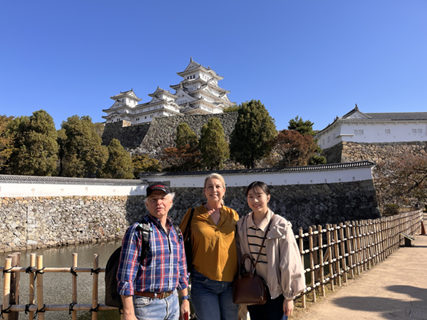
In addition to academic engagements, Professor McClung also participated in a cultural excursion to Himeji Castle and joined on-campus social gatherings.
These activities helped foster interdisciplinary networking and contributed to the expansion of frameworks for international collaborative research. This invitation significantly promoted international academic exchange and is expected to serve as a foundation for continued collaboration in both research and education.
Hideki Fujii, Div. of Nephrology
Fabry disease is an X-linked genetic disorder characterized by a deficiency of α-galactosidase A, leading to the accumulation of globotriaosylceramide (Gb3) in various organs. As the disease progresses, this accumulation can result in multiorgan failure.
Our objective is to identify optimal methods for assessing organ damage in Fabry disease by performing detailed histopathological analyses using image analysis software, and to examine the correlation of these findings with blood and urinary biomarkers as well as physiological test results. We also aim to elucidate the underlying mechanisms of organ damage progression. To facilitate the smooth execution of this research, we invited Professor Najafian from the University of Washington, a world-renowned expert in this field.
Professor Najafian and his team, have developed a method to quantitatively and three-dimensionally evaluate organ damage using pathological specimens of organs such as the kidney through computer-assisted image analysis.
In this study, we will use electron microscopy specimens to analyze podocyte volume and Gb3 accumulation using imaging software, and calculate the volume density of Gb3 within glomerular podocytes. Similar evaluations will be performed on vascular endothelial cells and vascular smooth muscle cells in various organs.
Additionally, we plan to carry out quantitative and semi-quantitative analyses of damage using light microscopy specimens, flow cytometric measurement of urinary podocyte count, and measurement of urinary lyso-Gb3 levels.
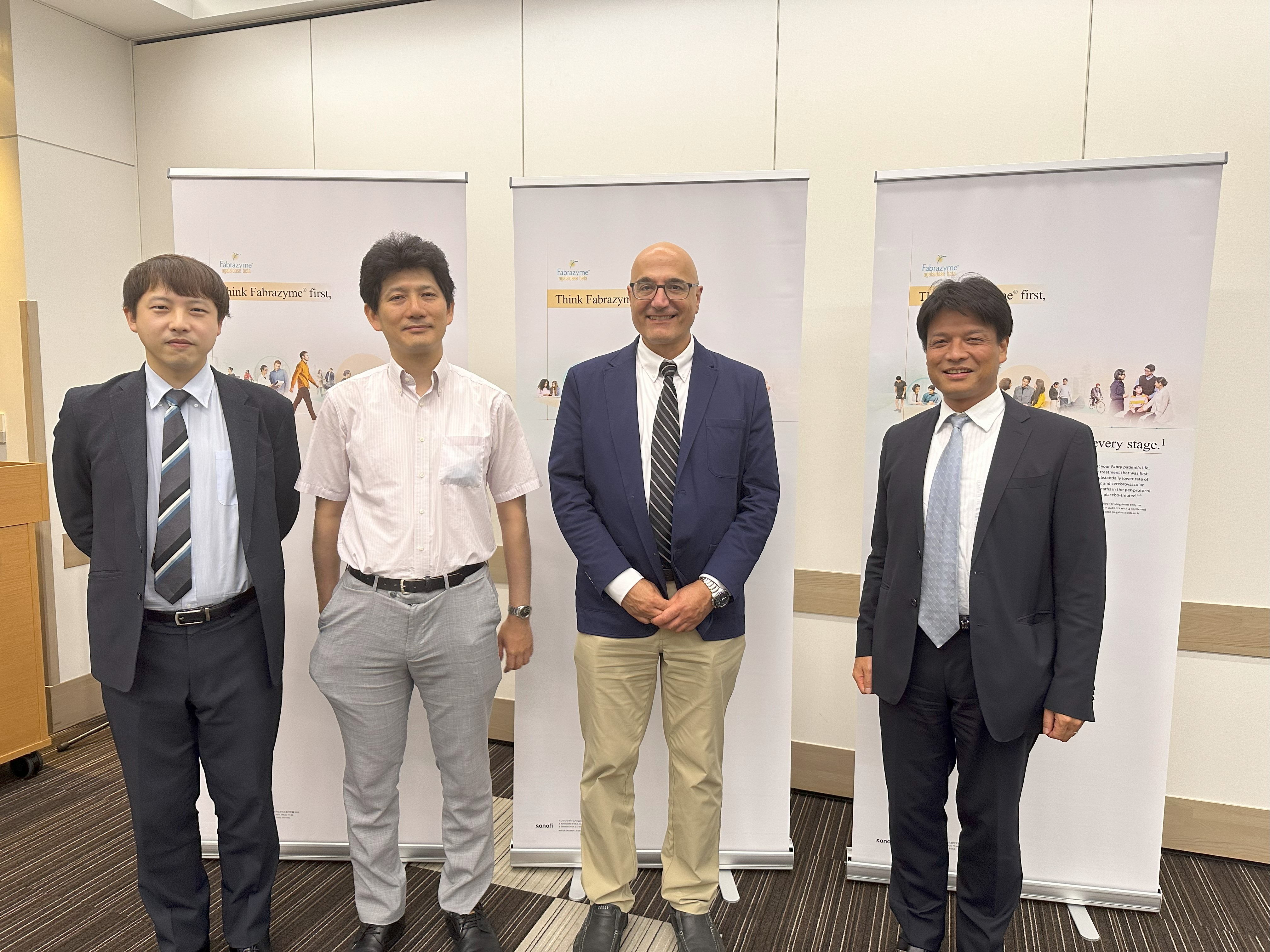
To obtain expert pathological opinions on Fabry disease and kidney pathology, we held a case conference. English-language presentations and discussions by junior to mid-career physicians provided valuable experience and were met with meaningful feedback from Professor Najafian. Furthermore, he delivered a special lecture offering in-depth insights into current Fabry disease research. Many physicians from outside our institution also attended, gaining exposure to cutting-edge findings in the field.
We also held a research meeting to discuss the future direction of our collaborative project. This visit was a fruitful experience for our department members, reinforcing the importance of international exchange, communication in English, and the execution of global collaborative research.
We believe that regular support for similar opportunities would further strengthen our relationship with the University of Washington, our sister institution, and promote continued academic exchange and collaborative research including recurring international fellowships.
China Nagano, Div. of Pediatrics
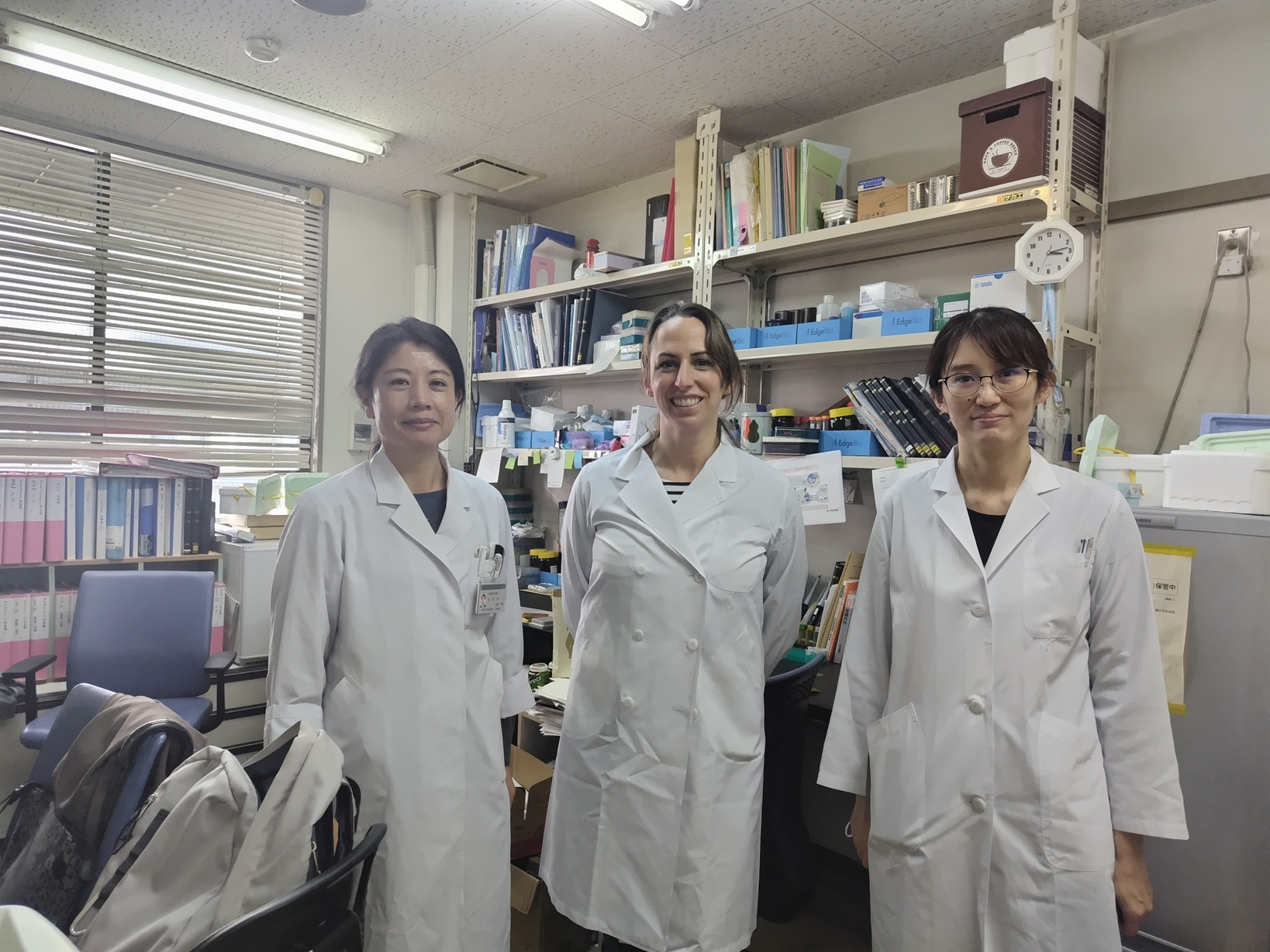
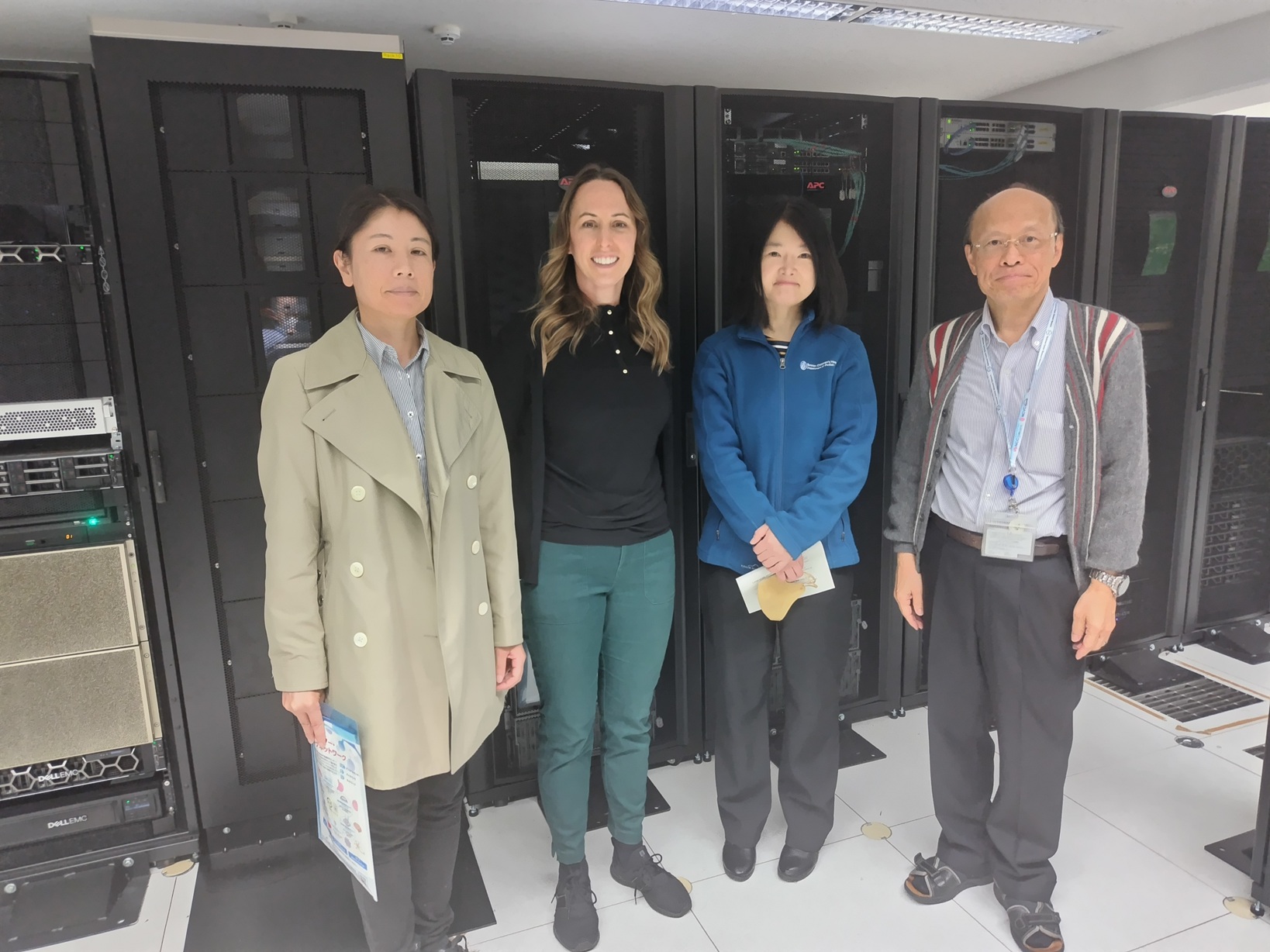
With the generous support of the CMX International Collaborative Short-Term Invitation Program, we had the honor of inviting Dr. Michelle McNulty from the Sampson Lab at Boston Children’s Hospital to Kobe University from November 14 to 28, 2024. Dr. McNulty is a specialist in biostatistics and has played a central role in international genome analysis studies on nephrotic syndrome.
During her visit, we engaged in meaningful discussions on various topics essential to our collaborative research. These included methodologies for handling genome data, the formulation of new research plans aimed at elucidating the causes of nephrotic syndrome, and the development of a comparative analysis framework incorporating Japanese patient data.
In addition, Dr. McNulty kindly participated in a discussion session with our junior researchers and graduate students, offering valuable insights into statistical analysis and the practicalities of conducting international collaborative research. These exchanges provided an enriching learning experience for all participants.
Moving forward, we aim to further advance genome analyses by integrating cohorts from both Japan and the United States. Our goal is to identify genetic markers characteristic of nephrin autoantibody-positive cases, contributing to improved diagnostic accuracy and the realization of personalized medicine.
Tomoko Horinouchi, Div. of Pediatrics
Progress in International Collaborative Research on Childhood Nephrotic Syndrome
Childhood nephrotic syndrome is a rare kidney disease characterized by impaired kidney function and excessive protein loss in the urine. Most cases respond to steroid treatment, but many patients experience frequent relapses, highlighting the urgent need for more fundamental treatment strategies. Through large-scale genome-wide association studies (GWAS) in Japanese pediatric patients, we identified NPHS1 as a susceptibility gene associated with the onset of the disease. We also found that abnormalities in this gene increase the risk of developing nephrotic syndrome.
Recently, autoantibodies targeting “nephrin,” the protein encoded by NPHS1, have been implicated in disease onset and relapse, attracting global attention. We have already investigated the prevalence of these anti-nephrin antibodies among Japanese patients and successfully developed a novel staining technique that allows for their rapid detection.
In collaboration with researchers in Korea, we have now launched an international study to conduct similar antibody testing, genetic analyses, and kidney tissue examinations. By comparing data from Japan and Korea, we hope to further elucidate the disease mechanisms and contribute to the development of more effective treatments.
Hideki Enomoto, Div. of Neural Differentiation & Regeneration
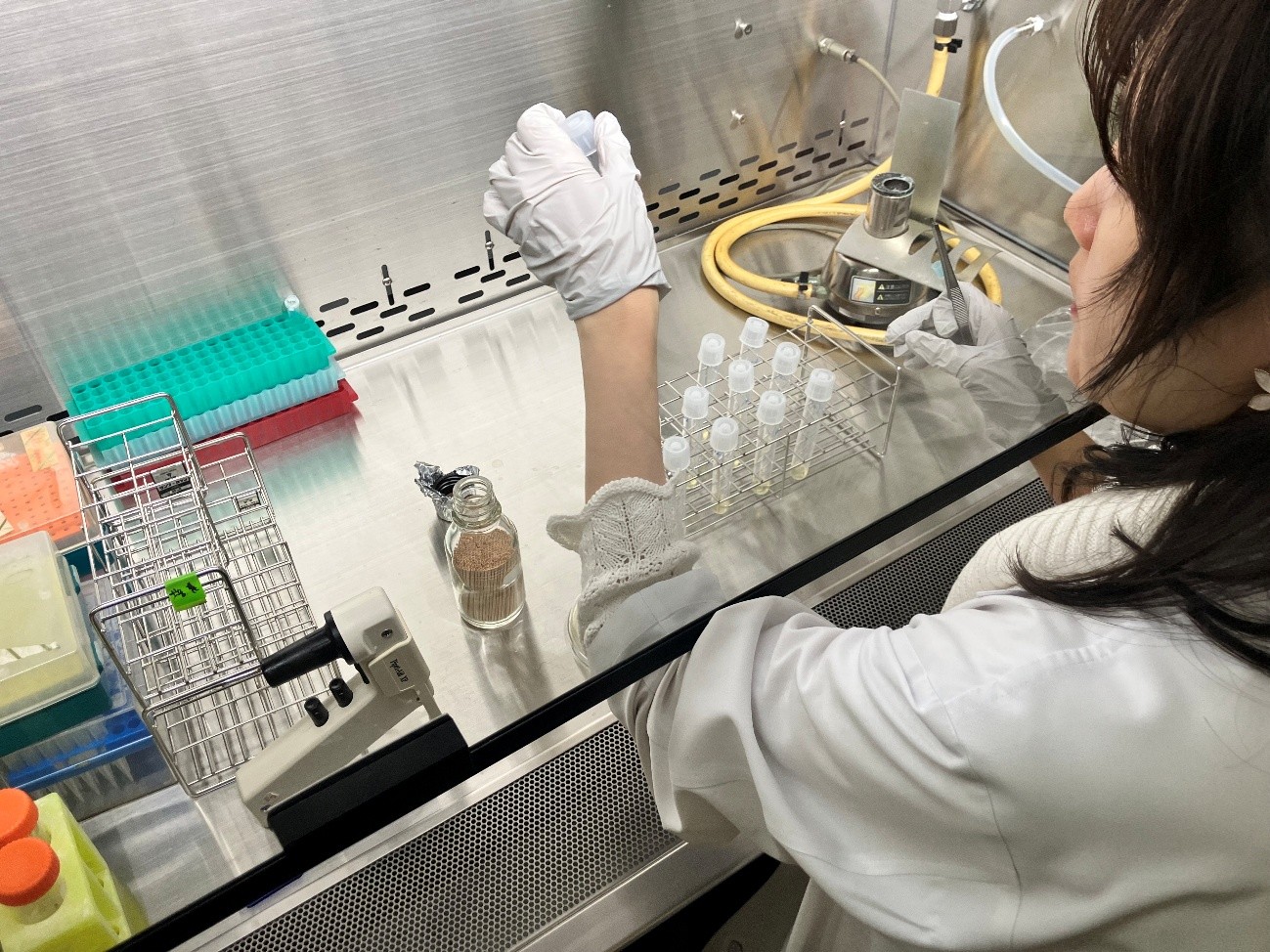
Thanks to the CMX International Collaborative Research Short-Term Invitation Program, we had the opportunity to invite Dr. Yuki Obata from UT Southwestern Medical Center (February 17–26, 2025). Dr. Obata is an Assistant Professor heading a laboratory in the Departments of Immunology and Neuroscience, and is a rising research leader in the field of gut-mediated regulation of bodily homeostasis.
During his stay at Kobe University, Dr. Obata visited several laboratories in related fields within the Graduate School of Medicine, engaging in fruitful exchanges and discussions on potential collaborative research.
On February 21, he gave an invited lecture presenting his latest findings at the 11th Neuroscience Network in Kobe Symposium. At the symposium, researchers from Japan and abroad working in the field of neural regulation of homeostasis shared advanced results, and lively discussions continued through to the reception.
I truly felt that this invitation significantly contributed to international exchange in this area of research. I sincerely appreciate CMX’s support for making this possible.